Bridge Strategies For Handling Long Bidding Sequences
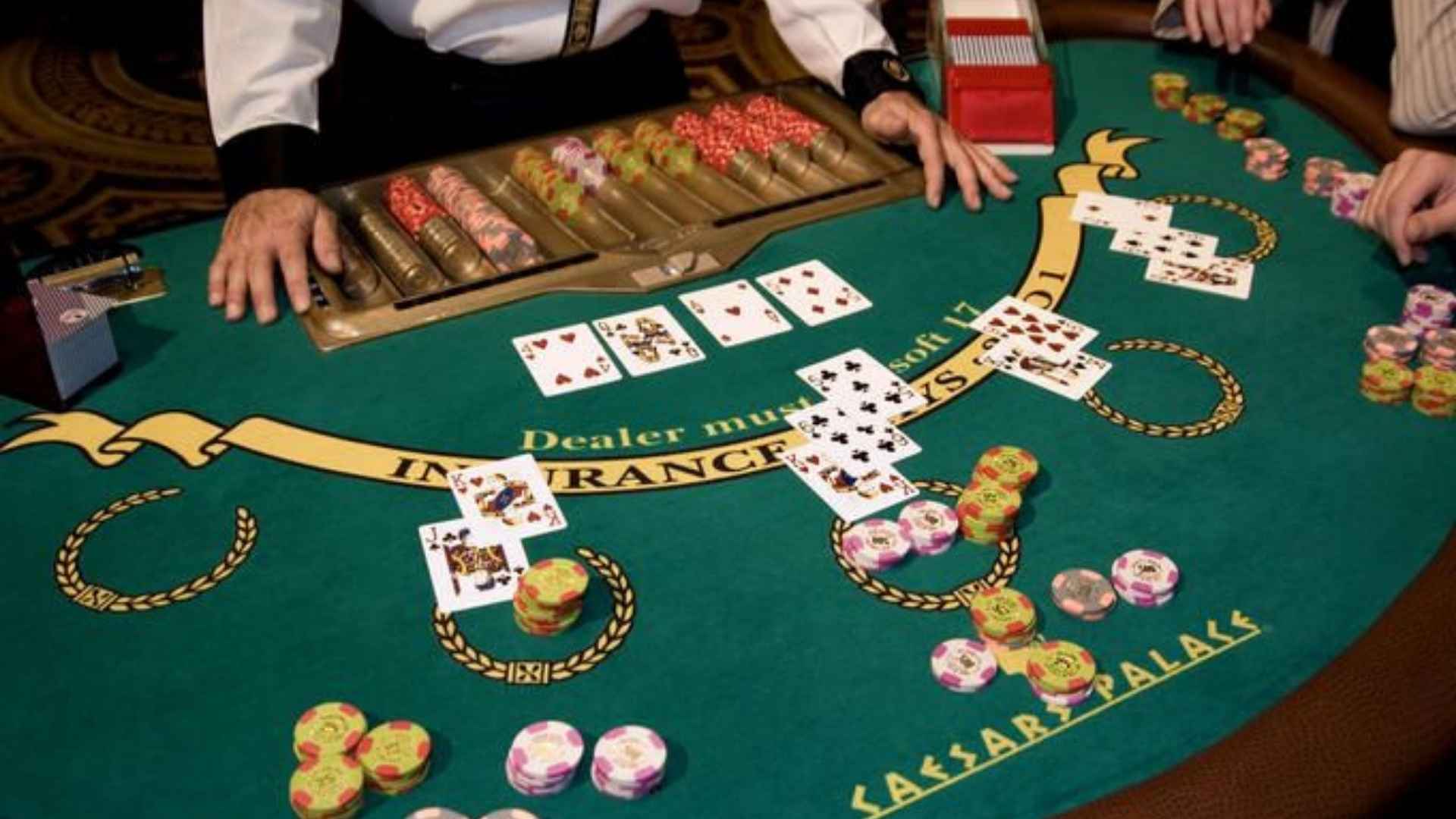
Navigating complex contract bridge auctions requires immense discipline and clear partnership agreements. When an auction extends across multiple rounds, maintaining clarity about suit control and hand strength becomes increasingly challenging. Developing structured strategies for handling long bidding sequences ensures both players remain on the same page until the final contract is reached.
Establishing Clear Bidding Limits Early
One of the most effective ways to manage extended auctions is to define hand limits as early as possible. When one partner clarifies their point count range, the other player can make informed decisions without forcing unnecessary rounds of bidding. This approach prevents the auction from spiraling into ambiguous territory.
Limiting your hand early allows your partner to take control of the auction with confidence. By eliminating guesswork, partnerships can explore slam possibilities or settle safely into game contracts. Clear communication from the outset minimizes memory errors and misunderstandings.
Managing Competitive Interference
Long auctions frequently occur when opponents enter the bidding to disrupt your communication. Utilizing specialized conventions like cue-bids, negative doubles, and suit preference signals helps keep the dialogue structured despite active opposition. These tools ensure every call conveys precise information about strength and distribution.
When opponents continuously compete, remaining calm and adhering to established partnership guidelines is critical. Players evaluating strategic decisions often look for reliable online gaming hubs like boss toto login alternatif to analyze competitive dynamics and practice sharp decision-making under pressure. Systematic responses ensure your side retains the advantage even during contested auctions.
Utilizing Forcing and Non-Forcing Calls
Distinguishing clearly between forcing and non-forcing bids is essential for maintaining control during prolonged bidding rounds. A thorough understanding of which bids require a response prevents accidental passes on game-going hands. It also prevents partnerships from overbidding weak holdings.
Partnerships should regularly review their agreements regarding artificial bids and forcing passes. Establishing explicit rules about when an auction is fully set guarantees that neither player misinterprets a descriptive call as a sign-off. Consistent agreement on bid meanings forms the backbone of successful expert play.
Focusing on Cue-Bidding and Control Shows
When searching for high-level slam contracts, long sequences often involve step-by-step control bidding. Showing first-round and second-round controls in suits allows partners to pinpoint specific weaknesses before committing to a high level. This methodical process avoids dangerous contracts lacking critical ace or king coverage.
Cue-bidding requires patience and total trust between partners as each suit is systematically evaluated. If a control is missing, the partnership can safely halt the auction at the appropriate game level. Mastering this technique transforms lengthy auctions into precise, strategic victories.